
by Tomato Wellness | Mar 30, 2026 | Uncategorized
It’s no secret that GLP-1 obesity management medications are rapidly transforming the landscape of food, health culture, and obesity care. According to JP Morgan Global Research, the number of US adults using a GLP-1 medication was 5 million in 2023, 6 million in 2024, 10 million in 2025, and is projected to rise to 25 million by 2030 as availability of generics and oral pills increases. Health-focused food companies are quickly rising to the challenge, reformulating products to boost protein and fiber, the two macronutrients emphasized for patients on GLP-1s to manage side-effects and hold onto muscle during weight loss.
But what other nutrition considerations should impact food choice for GLP-1 patients? To understand the broader context, we caught up with Nina Crowley, PhD, RDN, LD. Crowley serves as Director of Clinical Thought Leadership and Partnerships at seca, where she works at the intersection of body composition and obesity care. Her perspective: “While protein and fiber are essential anchors, and certainly getting a lot of attention right now, nutrition for patients on a weight health journey with obesity management medications should be approached more holistically. These therapies often reduce appetite and total energy intake, sometimes by as much as 15-40%, which increases the risk of inadequate micronutrient intake if food quality isn’t prioritized.”
Crowley makes an important point. Historically, popular diet culture has focused almost exclusively on calorie restriction with nutrition mentioned as an afterthought, at best. But the increasingly mainstream use of GLP-1 medications and their very effective suppression of appetite is shining a light on the real importance of getting ALL of the nutrients we need. Nutrient deficiencies, in addition to the potential for loss of fat-free mass (with concern for muscle and bone) is possible in patients using GLP-1 therapies for obesity and type 2 diabetes management. Assessment of body composition alongside medications is becoming standard of practice to better monitor individual changes in fat, muscle, and bone.
According to Crowley, “This creates an opportunity to focus on nutrient-dense, high-quality foods that deliver vitamins, minerals, and bioactive compounds in smaller portions.”
Whole foods that provide protein and/or fiber with vitamins, minerals, and other plant nutrients won’t be going out of fashion anytime soon. Tomato products boost the fiber, vitamin C, vitamin A, potassium, and iron in any dish. Perhaps more importantly, meals made with canned tomatoes or tomato sauce often feature high-quality protein sources like beef, chicken, eggs, and fish paired with high-fiber beans, peas, lentils, and/or vegetables like zucchini, mushrooms, carrots, bell peppers, eggplant, leafy greens, fresh herbs and healthy fats like olive oil.
The fewer the calories eaten, the more those calories need to count, so nutrient-rich foods are stepping into the spotlight now more than ever.
In addition to her role with seca, Crowley also hosts “In the Know with Nina,” a podcast that focuses on GLP-1 therapies and the real-world challenges faced by patients and clinicians. She emphasizes that while focusing on nutrition quality is critical, it may be equally important for to “consider eating patterns, hydration, cultural preferences, and sensory satisfaction, because long-term success depends not just on what patients eat, but whether that way of eating is sustainable and enjoyable.”
In fact, it is estimated that a majority of GLP-1 patients (47-65% according to a recent JAMA publication) discontinue the medication within the first year. So while we see numbers growing, for a majority of patients, therapy is short term or intermittent vs. consistent.
Comfort foods like tomato-based meals that are nutrient-rich, culturally familiar, versatile, and big on flavor hit the sweet spot and may help patients stay the course in their health journey, whether or not they are actively participating in GLP-1 therapies.
– Jenny Heap MS, RDN
References:
Rodriguez PJ, Zhang V, Gratzl S, et al. Discontinuation and Reinitiation of Dual-Labeled GLP-1 Receptor Agonists Among US Adults With Overweight or Obesity. JAMA Netw Open. 2025;8(1):e2457349. Published 2025 Jan 2. doi:10.1001/jamanetworkopen.2024.57349

by Tomato Wellness | Jan 12, 2026 | News
The internet is buzzing with amore for pizza, not surprising since Pizza Week 2026 is in full swing.
Here’s a rundown of what’s happening in the world of pizza.
According to Pizza Today, whose 2026 Pizzeria Industry Trends Report dropped in early December, many strong trends from previous years will continue, but there is plenty of room for innovation as consumer needs and preferences evolve.
While the top pizza companies in the US remain Dominos, Pizza Hut, Little Caesar’s, and Papa Johns, independent pizzerias still make up 45-60% of the overall pizzeria market, demonstrating the power of both large chains and independents to set and embrace trends and influence the demand for premium ingredients.
Toppings:
With the seemingly ongoing controversy surrounding whether pineapple belongs atop pizza, who would have predicted the non-traditional toppings trending today? 2026 is ON and hot honey is HERE for it. Sweet heat is apparently here to stay as spice continues to please the modern pizza palate. While pepperoni still sits atop the list of most popular toppings in the US, we’ll see up-and-coming non-traditional toppings like chorizo, figs, pistachio dust, creative ricotta blends, and brisket in 2026.
Styles:
Roman style pizza has finally broken into the top 10 pizza styles in the US. Not surprising, since Pizza al taglio is light and “easy to digest,” which appeals to the health-conscious demographic along with thin and crispy Grandma style pizza, which is also in the top 10 for 2026.
But watch for Detroit style pizza to be the big trendsetter for 2026, along with New York style and Chicago thin.
Independent pizzerias have more creative license, per se, but they aren’t the only ones embracing new trends. Little Caesars this week introduced a Detroit-style menu item ahead of the Super Bowl. Little Caesars’ Slices-N-Stix is half Detroit-style, deep-dish pepperoni pizza and half Italian Cheese Stix. Detroit-style Little Caesars’ pizza-loving football fans rejoice!
Regional Pizzeria Standouts
Last week, National Geographic drew our attention to standout pizzerias outside of New York and Chicago.
Some highlights:
- PARM (Oshkosh, Wisconsin)
- PARM also features as much local fare as possible and their mozzarella is made in house, daily.
- Guantonios Wood Fired in Lodi, CA
- It shouldn’t be so surprising to see a Lodi pizzeria on the radar. After all, Lodi is an up-and-coming wine region nestled squarely in California’s Central Valley, the largest food producing region in the US. Guantonios’ red pies feature hyper-local ingredients, including Stanislaus Alta Cucina tomatoes, harvested just a few miles to the south.
- Pizzeria Bianco
- It’s hard to overstate Chris Bianco’s influence on modern American pizza, with many of today’s top pizzaioli drawing inspiration from his work. At Pizzeria Bianco, his wood-fired pies spotlight the natural sweetness of California tomatoes, especially in the Margherita and his favorite marinara.
Not on Nat Geo’s list, but another California standout: Truly Pizza in Dana Point, CA
With Pizza Royalty John Arena, Chris Decker, and Michael Vakneen as the founding pizzaiolos at this neighborhood pizzeria with partner Donna Baldwin, they have TRULY created destination pizza on the West Coast. Decker is also the author of On Deck, a monthly column in Pizza Today. Check out his “year in pizza” to witness his pizza artistry in twelve craveworthy pies.
Can pizza trends satisfy current health trends?
High-quality, real-food ingredients will appeal to health-conscious consumers in 2026 and this is where pizza SHINES.
If anything is trending in health right now, it’s PROTEIN. Meat-lover’s pizzas continue to fill the need for protein lovers in 2026 and lighter, thinner-crust styles with more meat and veggies per bite cater to the demographic looking to prioritize protein, fiber, and important micronutrients. This is even more important among the growing population of GLP-1 adopters, who must prioritize protein and food quality over quantity. GLP-1 usage is expected to increase even more in March of this year when the semaglutide patent expires, allowing lower-cost generics to enter the market.
According to Food Industry Executive, consumers are showing “clear preferences for high protein and fiber content, low sugar and sodium, and no artificial ingredients.” Translation: High quality foods and ingredients are valued over “diet” and “lite” manufactured fare. This is where pizza shines as quite literally a culinary artist’s pallette for colorful vegetebles, flavorful tomato sauce, quality meats, and cheeses.
But it doesn’t stop at toppings. Doughs are getting downright artisan with longer fermentation and innovative flour blends improving flavor and quality. Extended fermentation also helps break down complex carbohydrates, making them easier to digest, translating to more GI comfort for sensitive and health-focused diners.
BONUS STAT:
According to Pizza Hut’s Second Annual Trends Report, 28% of people would give up alcohol for a year if they could have free pizza every day. Food for thought! Is this an opportunity for a Pizza x Dry January collab?
by Tomato Wellness | Nov 13, 2025 | Farmers
 My name is Natali Espindola and I too am a proud consumer of canned tomatoes. From
my hometown of Sacramento, California to my college campus at California Polytechnic State
University in San Luis Obispo, canned tomatoes are a kitchen staple in my life.
I am in my third year at Cal Poly studying Agricultural Business in hopes to pursue a
career in agriculture. My passion for this industry stems from my grandparents and the hard work
they put into growing and harvesting tomato fields in Northern California. Hand picking produce
that would go on to feed the many mouths of America. This dedication has allowed me to have a
great appreciation for the people and the process behind the food we eat.
Why Am I Interested in Tomatoes?
My interest in the tomato industry recently grew after meeting Alec Wasson, who shared
many stories about the hard work, care, and innovation that goes into producing canned
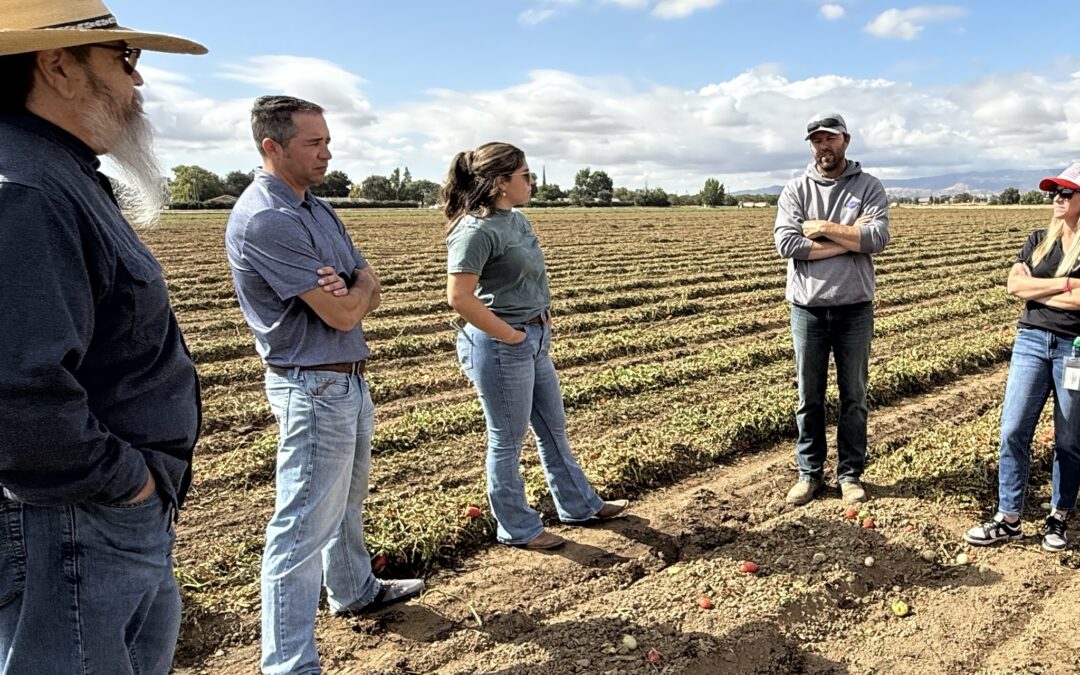
tomatoes. Shortly after, I was given the opportunity to visit the tomato fields in Winters, CA during their harvesting. There I was able to see first hand how quick the process
between picking and transportation to the cannery really was. It was incredible to see how much
innovation has changed the game for agriculture of the last few decades.
After visiting the fields, I took a trip to the canning facility, where I got to see each step
the tomatoes took before being sealed in their can. In less than 12 hours, the tomatoes were
picked, sorted, washed, peeled, cut, packaged, cooled, and ready to ship across California and the
United States. This entire process took science, care, and many hands to produce something that
is truly essential.Watching this process gave me a whole new perspective and appreciation for the quality
and integrity that is behind the scenes of canned tomatoes, a product I never really thought twice
about until after the tours. What many may not realize is these products are not only convenient
household or restaurant items but a reflection of how far modern agricultural efficiency and
sustainability has come.
The Value of Canned Tomatoes
Canned tomatoes are healthy, affordable, and readily available year-round, making them a
key part of the food system nationwide. Not only are they packed with vitamins but they also
help reduce food waste by using tomatoes that may not have been pretty enough to make it to the
fresh markets in your grocery stores.
Going forward, I will be sharing insights about the values of canned tomatoes, in addition
to delicious, easy recipes to share for the up and coming season. My goal is to help more people
appreciate where their food is coming from, understand the agricultural story that is behind each
produce, and celebrate the farmers and workers who make it all possible.
by Tomato Wellness | May 20, 2025 | Uncategorized
Prostate cancer is making headlines lately—and for good reason. It’s the second most common cancer among men in the U.S., with 1 in 8 expected to be diagnosed in their lifetime. While age, genetics, and other risk factors can’t be controlled, there are simple lifestyle habits that can help reduce your risk.
One tip that keeps coming up? Eat more cooked tomato products.
Tomatoes are rich in lycopene, a powerful antioxidant that’s been linked to a reduced risk of prostate cancer. Cooking tomatoes—like in sauces, soups, and stews—actually increases lycopene’s bioavailability. That means canned tomatoes, pasta sauce, and even ketchup can pack a powerful punch.
Here are a few resources if you want to dive deeper:
Of course, it’s not just about what’s on your plate. Other key tips:
-
Exercise regularly
-
Maintain a healthy weight
-
Limit processed meats and alcohol
-
Talk to your doctor about screening, especially if you have a family history
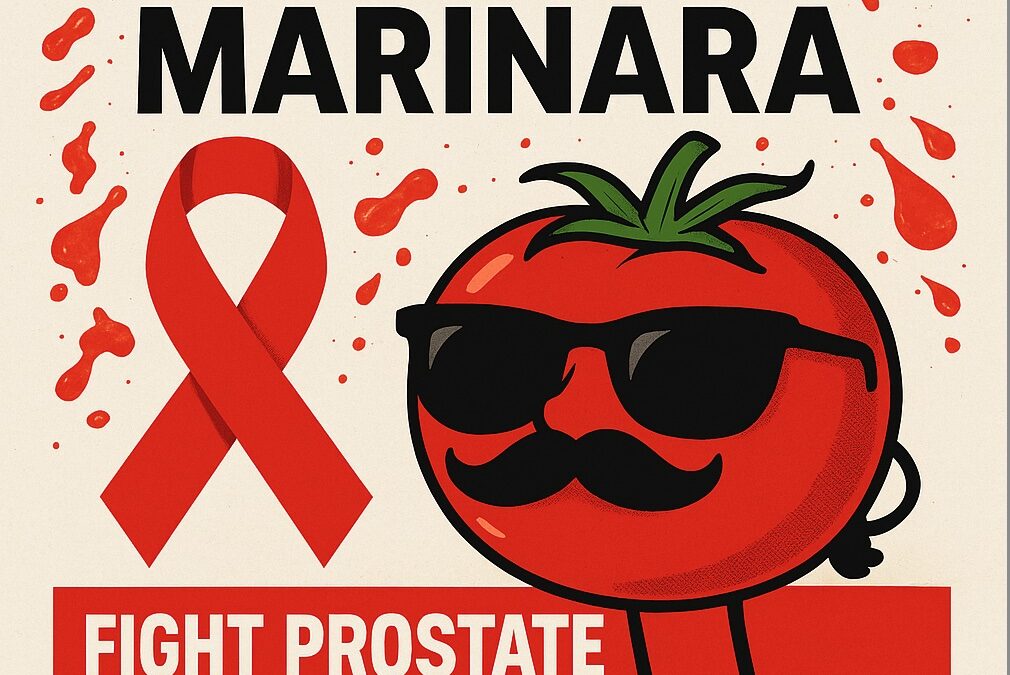
Support the Cause: Legalize Marinara!
Want to show your support and spark a conversation? All proceeds from our Legalize Marinara shirts go directly to men’s health research and prostate cancer prevention through the Movember campaign. Check them out here:
Shop Legalize Marinara Tees
Eat well. Live well. Support the cause.
by Tomato Wellness | May 11, 2025 | News
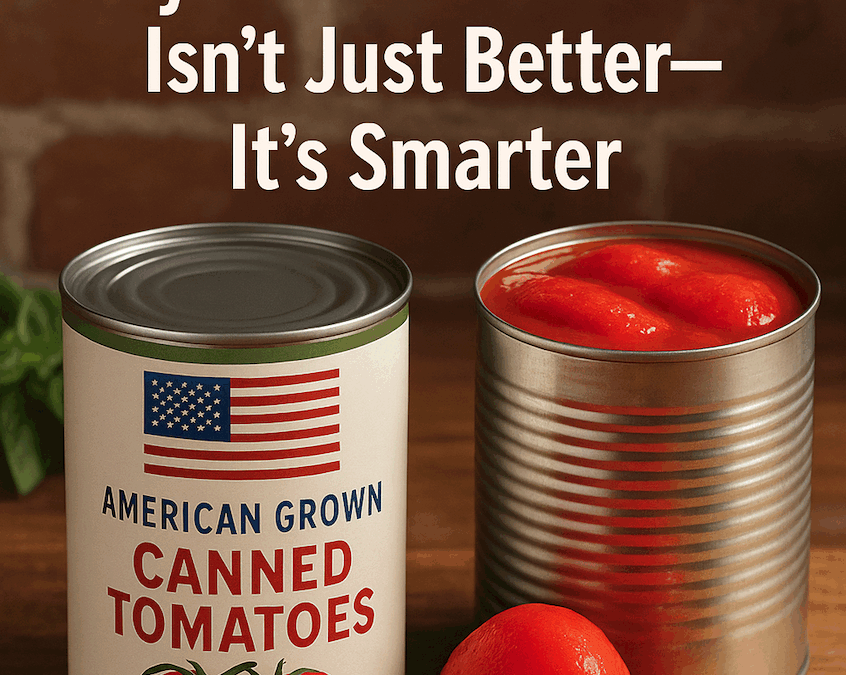
In a world where it’s getting harder to know where your food really comes from—and whether you can trust the label—there’s one item in your pantry that keeps things refreshingly simple: a can of American-grown tomatoes.
You’ve probably seen the headlines: confusion about tariffs, supply chain delays, imported food recalls, and deceptive labeling practices from overseas. But amidst the noise, canned tomatoes grown right here in the U.S. stand out as a symbol of quality, transparency, and just plain good taste.
Let’s start with what’s in the can. More than 96% of the tomatoes used for canning in the U.S. are grown in California’s Central Valley—an agricultural powerhouse with decades of tomato-growing expertise. These tomatoes are picked at peak ripeness, packed within hours, and preserved in a way that locks in their flavor and boosts their health benefits—especially lycopene, the antioxidant that becomes more bioavailable through heating. Here’s a deep dive into the lycopene story.
And it’s not just California carrying the load. Indiana is home to award-winning processors like Red Gold, and Jersey Tomatoes have their own cult following thanks to their natural sweetness and flavor. When you reach for American-grown tomatoes, you’re getting the best of what our farms have to offer, from coast to coast.
But don’t just take our word for it.
In a blind taste test by Serious Eats, American-grown tomatoes beat out many imported brands, including San Marzanos. Taste Cooking declared American tomatoes “the real MVPs” for sauces and soups. And America’s Test Kitchen confirmed that some of the best canned tomatoes available for home cooks are proudly grown and packed in the U.S.
Even the beloved San Marzano tomatoes don’t always live up to their reputation. According to The Washington Post, many cans labeled “San Marzano” aren’t D.O.P. certified and are often misleading or flat-out fake. The real thing is expensive and rare—and even then, not necessarily better.
Worse still, a BBC investigation revealed that Italian companies have been importing cheap Chinese tomatoes, processing them in Italy, and labeling them as “Made in Italy.” This so-called tomato laundering has shocked consumers worldwide, but the good news? None of those tomatoes are allowed in the U.S. The FDA bans all Chinese-grown tomato paste from entering our market.
So while other countries may be playing games with their supply chains and product labels, American-grown canned tomatoes offer something that’s increasingly rare in the food world: trust. You know where they came from. You know how they were grown—and by whom. And best of all? They taste amazing.
Still not convinced? Just look at what the pros are using. In San Francisco, multiple-time World Pizza Champion Tony Gemignani proudly uses California tomatoes at his restaurants: Tony’s Pizza Napoletana, Pizza Rock, and Slice House. He even has his own line of California-grown canned tomatoes.
At Pizzeria Bianco in Phoenix, Apizza Scholls in Portland, and John’s of Bleecker Street in NYC, chefs who could source any ingredient in the world choose American-grown tomatoes for their flavor and consistency. Great chefs know: great tomatoes make great food.
And when you bring it home, you can cook like the pros. Whether it’s a bold marinara, a cozy tomato soup, or a fiery shakshuka, canned tomatoes are a home cook’s secret weapon. They’re affordable, shelf-stable, and pack way more flavor than most out-of-season fresh tomatoes.
Need some inspiration? Start with these easy, flavor-packed videos:
You can also explore even more recipes, articles, and videos at www.TomatoWellness.com—a one-stop-shop for everything you need to know about American-grown tomatoes. While you’re there, don’t miss our Instagram, Facebook, and YouTube pages, where we’re always posting new cooking demos, farm stories, and myth-busting facts about your favorite fruit.
In a world full of question marks, canned tomatoes are a rare certainty. Flavor? ✔️
Nutrition? ✔️
Trust? ✔️
Support for American farmers and a lower carbon footprint? ✔️✔️
So next time you’re at the store, flip the can over and check the label. Look for “Grown in the USA.” Support the chefs, processors, and family farms who are doing it right—and give yourself a little high-five for making one of the smartest food choices in your pantry.


Recent Comments